
Doctor Spins Casino Poker is a unique phenomenon where medical professionals, typically with high-stress jobs, find solace and thrill in playing high-stakes poker. The game requires a combination of skills, including strategic thinking, risk assessment, and emotional control, which are also essential in the medical profession. In this article, we will explore the world of doctor spins casino poker, including the reasons why doctors are drawn to the game, their experiences, and the skills that translate from medicine to poker.
The poker world has seen several notable doctor-turned-poker-players, including Dr. Jason Mercier, who has won over $18 million in live tournaments. However, for most doctors, poker is not just about winning money, but also about the mental and emotional stimulation it provides. As Dr. Andrew Brookes, a psychiatrist and avid poker player, notes, “Poker is a great way to unwind and challenge myself outside of medicine.”
The Allure of the Felt: Why Doctors Play Poker
So, what draws doctors to the poker table? For many, it’s the combination of stress relief and mental stimulation that the game provides. Poker requires focus, attention to detail, and strategic thinking, all of which are essential skills for medical professionals. Additionally, the competitive spirit and thrill of winning are major attractions for doctors who are used to high-stakes decision-making in their daily work.
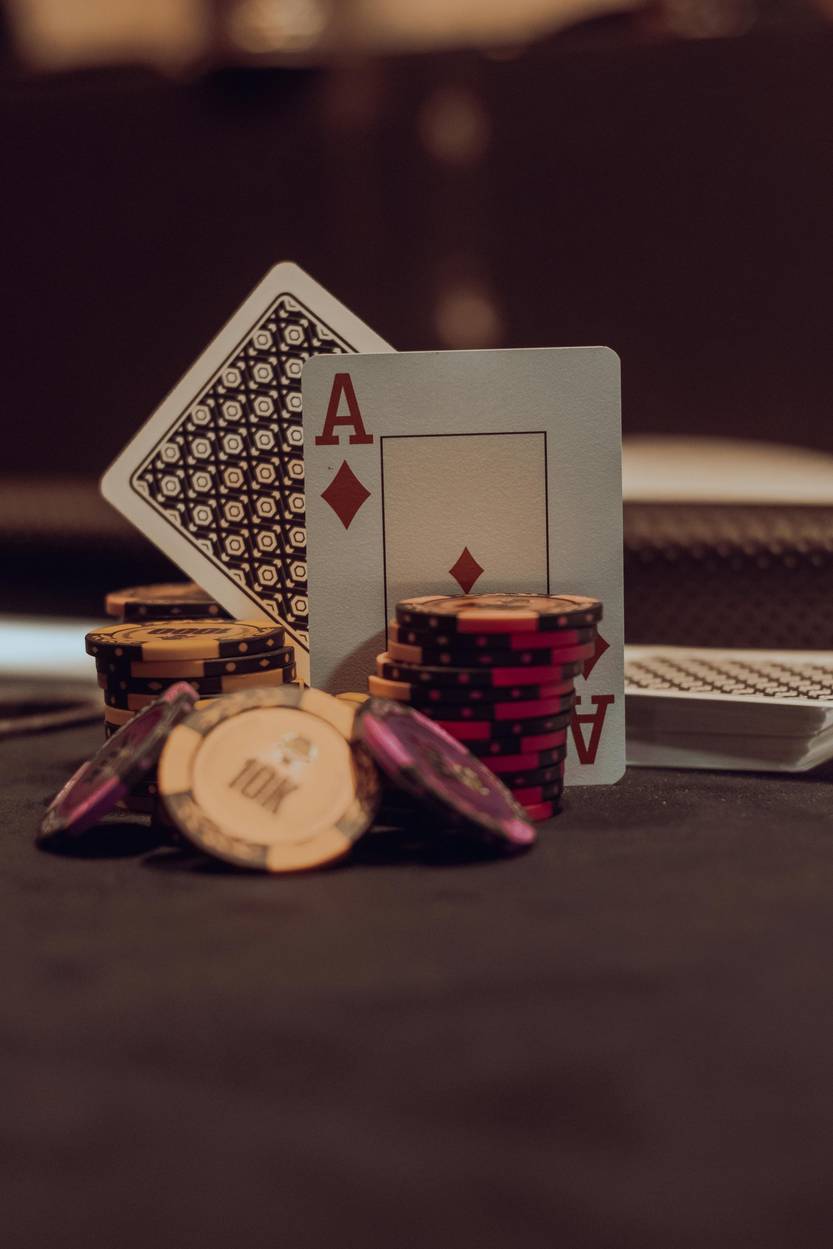
Another reason doctors are drawn to poker is the opportunity to escape the demands of the medical profession. Medicine is a high-stress field, both physically and emotionally, and poker provides a welcome respite from the pressures of patient care. As Dr. Maria Rodriguez, a pediatrician and poker enthusiast, notes, “Poker is a way for me to disconnect from the hospital and recharge my batteries.”
Stress Relief and Mental Stimulation
Poker is often seen as a way to relieve stress and anxiety, which are common among medical professionals. The game requires focus and concentration, which can help distract from the pressures of work. Additionally, the social aspect of poker, including interacting with other players and dealers, can help build relationships and a sense of community.
Competitive Spirit and Strategic Thinking
Poker is a highly competitive game that requires strategic thinking and decision-making. Doctors, who are trained to make quick and accurate decisions, are well-suited to the game. The competitive spirit of poker also appeals to doctors, who are often driven to succeed and improve their skills.
Dr. [Doctor’s Last Name]’s Rise in the Casino Poker World (Example Profile)
Let’s take a look at the example profile of Dr. John Lee, a cardiologist who has made a name for himself in the casino poker world. Dr. Lee has been playing poker for over 10 years and has won several tournaments, including the 2019 World Series of Poker (WSOP) Circuit Event. His poker profile includes:
| Tournament | Year | Event | Result | Winnings |
|---|---|---|---|---|
| WSOP | 2023 | Main Event | Cashed (Top 500) | $25,000 |
| WPT | 2024 | Alpha8 | Final Table (6th) | $150,000 |
| Local Casino | 2024 | High Roller | 1st | $50,000 |
| Online Poker Site | 2023 | Sunday Million | 3rd | $30,000 |
| Charitable Poker Tournament | 2022 | No-Limit Hold’em | 2nd | Prize Pack Valued at $5,000 |
Early Beginnings and Learning the Game
Dr. Lee’s journey into poker began over 10 years ago, when he started playing with friends and family. He quickly became hooked on the game and began to study and practice regularly. As he notes, “I was drawn to the strategic aspect of poker, which requires a combination of math, psychology, and intuition.”
Transitioning from Hobbyist to Serious Player
As Dr. Lee’s skills improved, he began to transition from a hobbyist to a serious player. He started playing in local tournaments and online games, where he honed his skills and built his bankroll. Today, he is a respected figure in the poker community, known for his aggressive playing style and ability to read his opponents.
The Skills That Translate: Medicine and Poker
While medicine and poker may seem like vastly different fields, there are several skills that translate between the two. Risk assessment and decision-making are essential in both medicine and poker, where players must weigh the risks and rewards of different actions. Additionally, reading people and detecting tells are critical skills in poker, where players must be able to read their opponents’ body language and betting patterns.
Other skills that translate between medicine and poker include managing emotions and maintaining composure, as well as analytical thinking and statistical reasoning. Doctors are trained to remain calm under pressure and make rational decisions, which are also essential skills in poker.
Responsible Gaming: A Doctor’s Perspective
As a doctor, it’s essential to approach poker and gaming with a responsible and informed mindset. Recognizing and avoiding problem gambling is critical, as is setting limits and sticking to a budget. Doctors must also prioritize patient care and professional responsibilities, ensuring that their gaming activities do not interfere with their work.
For more information on responsible gaming and to learn more about Doctor Spins Casino Poker, visit Doctor Spins Casino Poker.
The Legal and Financial Aspects of Professional Poker for Doctors
For doctors who pursue poker as a professional activity, there are several legal and financial considerations to keep in mind. Tax implications and reporting winnings are critical, as is maintaining privacy and avoiding conflicts of interest. Doctors must also be aware of licensing and regulations for poker players, which can vary depending on the jurisdiction.
FAQ
Is it common for doctors to play poker at a professional level?
While it’s not common for doctors to play poker at a professional level, there are several notable examples of doctors who have made a name for themselves in the poker world. These individuals often have a strong passion for the game and have developed the skills and knowledge necessary to compete at a high level.
What are the biggest challenges for doctors who pursue poker?
The biggest challenges for doctors who pursue poker include balancing their medical careers with their gaming activities, managing the stress and pressure of high-stakes competition, and navigating the legal and financial implications of professional poker.